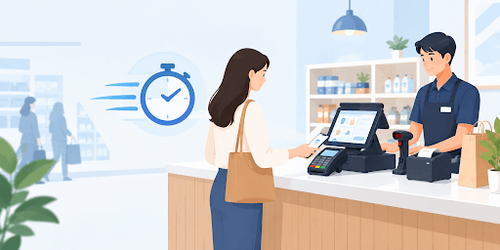
A slow checkout counter does not just annoy the customer already standing in line. It costs the sale of the one who sees the queue and walks out before reaching it. Reducing checkout time is less about one big fix and more about finding which small delay is adding up at the counter.
Most guides answer this question with a long list of unrelated tips. This one groups the fixes by where the delay actually comes from, so a shop can address the real bottleneck instead of trying everything at once.
What Actually Slows Down a Checkout Counter?
Most advice on this topic treats every delay the same way, but the causes of slow checkout usually fall into three different buckets: hardware, process, and staffing. A slow barcode scanner is a hardware problem. A cashier re-entering the same discount code every time is a process problem. An understaffed counter during a lunch rush is a staffing problem, best solved by adjusting schedules rather than upgrading equipment.
The cost of ignoring this adds up fast. During festival seasons, a meaningful share of peak-hour revenue at busy Indian retail counters is lost to customers who see a long line and leave before billing. Fixing that starts with knowing which of the three buckets is actually responsible before spending on a new device.
Any point of sale machine sits at the center of all three, since it is where hardware speed, billing process, and staff handling all meet at once. Reducing checkout time usually starts by watching one full transaction end to end and noting exactly where the pause happens.
Which Hardware Fixes Reduce Checkout Time the Most?
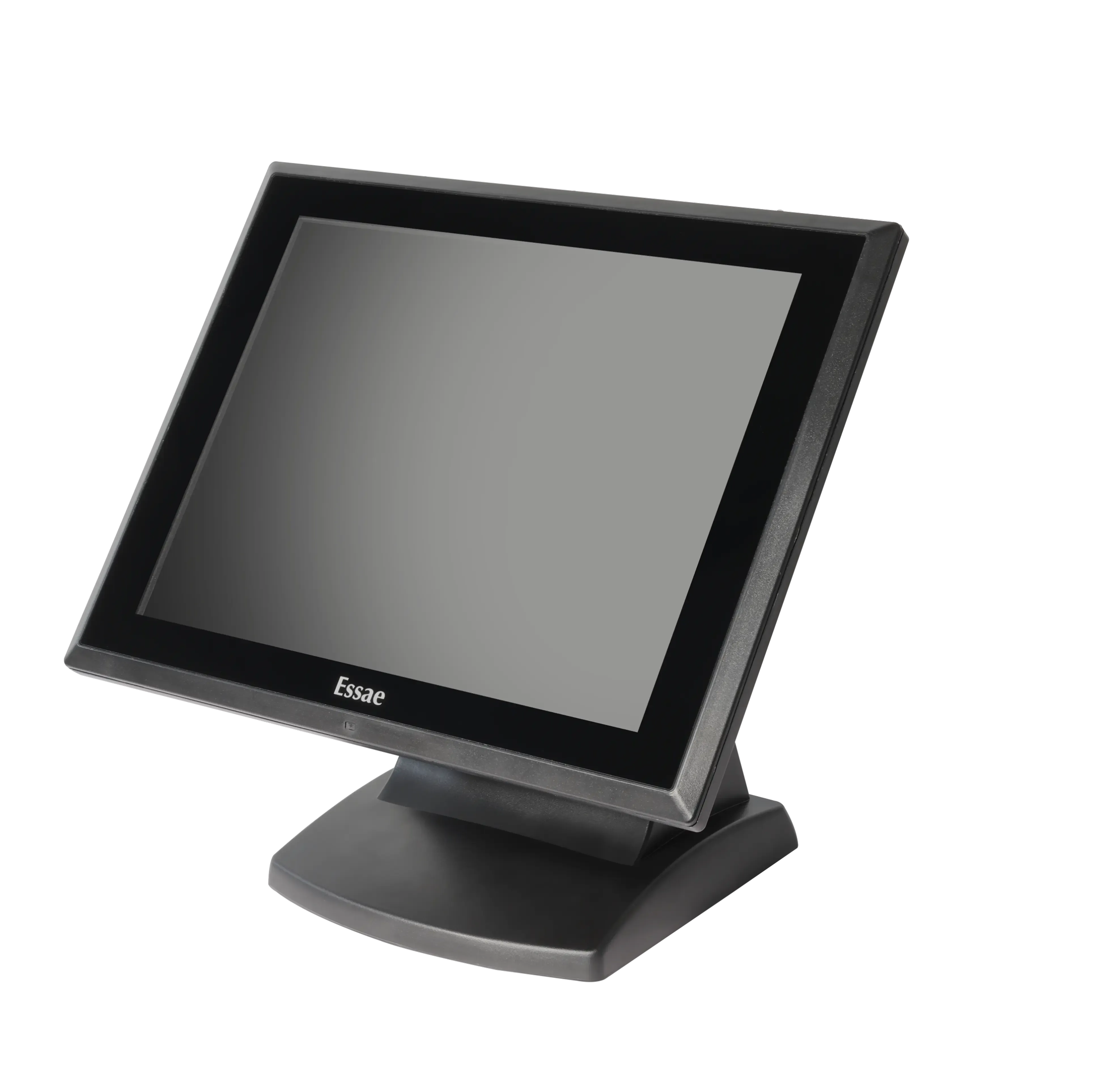
Hardware fixes tend to give the fastest, most visible results, since they remove a manual step rather than just making it quicker, which is often the simplest way to reduce checkout time.
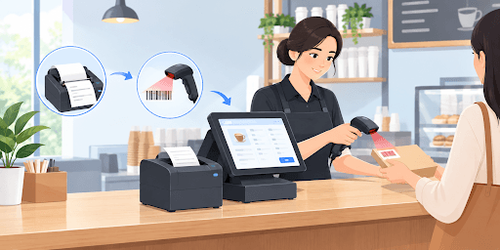
- A faster barcode scanner cuts the seconds spent per item, which adds up quickly on a large basket.
- A touch POS machine speeds up manual entry for unlisted or unbarcoded items, since staff can search and select instead of typing full product codes.
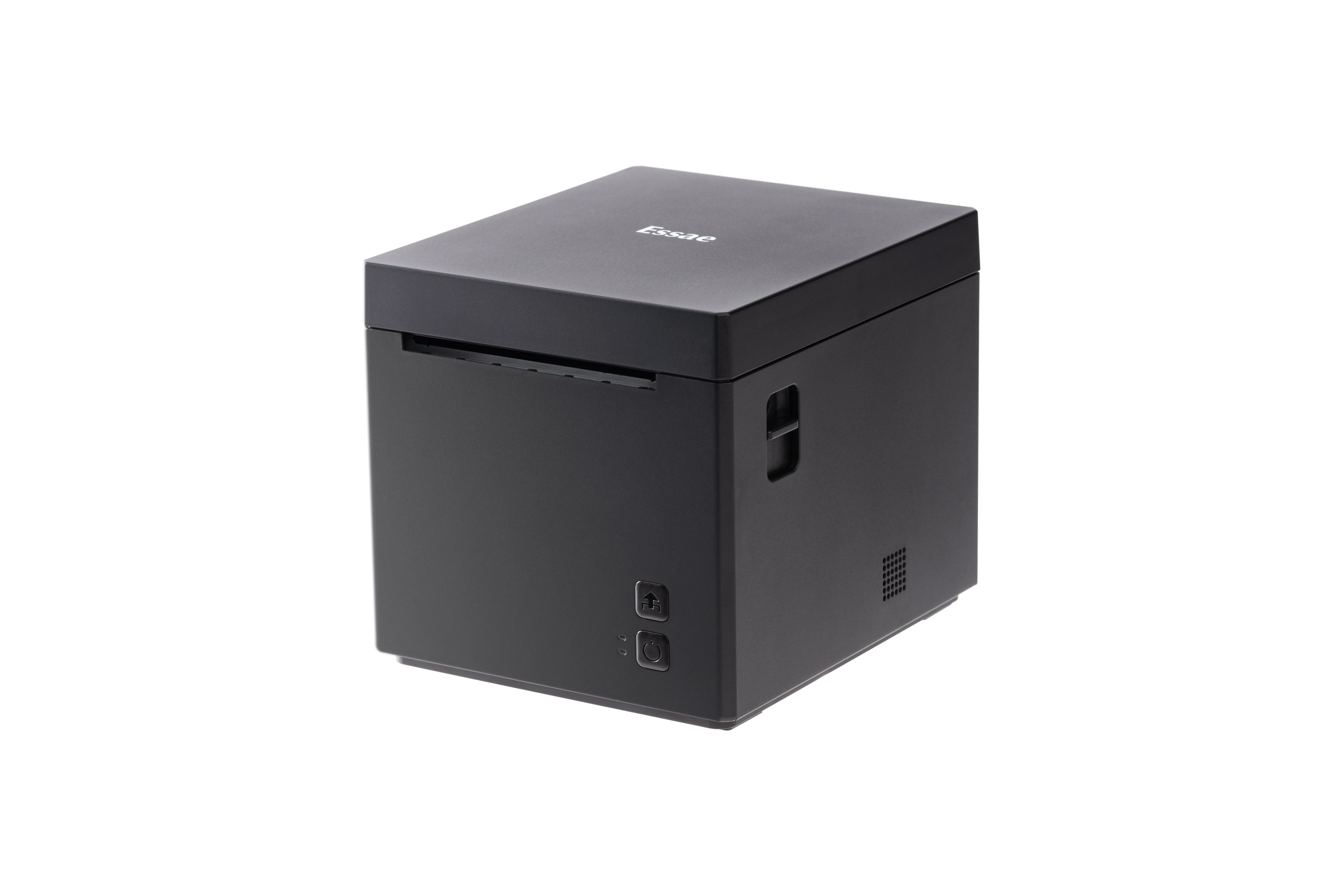
- An integrated printer avoids the delay of switching between a billing screen and a separate invoice machine.
- A synced cash drawer opens automatically once a sale is recorded, instead of a cashier manually confirming and opening it.
None of these fixes need a full system overhaul. Most counters see a measurable drop in per-customer billing time just from replacing the one device that is actually the bottleneck.
How Does GST Billing and Payment Method Choice Affect Checkout Speed?
GST compliance is often treated as a back-office concern, but it plays a direct role in reducing checkout time at the counter itself. A printer that cannot generate a GST-compliant invoice quickly forces staff to correct or reprint bills, which adds delay exactly when a queue is building.
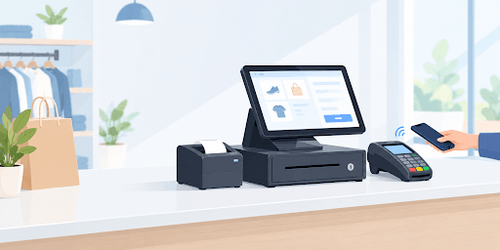
Payment method choice matters just as much when it comes to reducing checkout time. A counter that accepts cash, card, and UPI through one connected device avoids the time lost switching between a separate card machine and a billing screen. A magnetic card reader built into the same terminal removes one more switch between devices, which is often where a few extra seconds get lost per transaction.
Which Type of Store Sees the Biggest Impact from Faster Checkout?
Different businesses feel a slow checkout differently. A boutique with a handful of daily transactions can absorb a slower counter without much impact, while a high-traffic store needs to reduce checkout time just to keep its queues manageable.
Grocery and supermarket counters usually see the largest gains from reducing checkout time, since basket sizes are bigger and queues form faster during peak hours. A grocery POS system designed for high item counts per bill, with fast barcode scanning and multiple payment modes in one device, fits this kind of counter best.
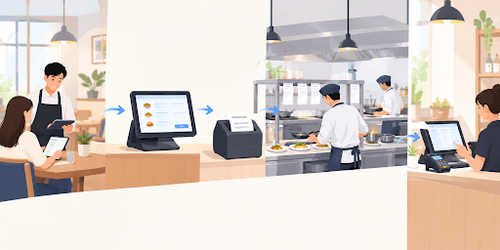
Restaurants and lifestyle stores benefit too, though the bottleneck usually looks different: order accuracy and split billing for restaurants, and manual price lookups for smaller lifestyle counters without full barcoding.
What Process and Staffing Changes Cut Checkout Time Without New Hardware?
Some fixes need no purchase at all, only a bit of planning.
| Bottleneck | Fix | Impact |
|---|---|---|
| Cashiers re-entering repeat discounts | Pre-load common discounts into the billing system | Cuts a few seconds per applicable bill |
| Long queues during known peak hours | Add a second counter or staff member during predicted rushes | Reduces average wait time noticeably |
| New staff unfamiliar with the POS | Structured training before solo shifts | Reduces per-transaction errors and re-dos |
| Customers unsure which counter to join | Clear signage or queue direction | Reduces perceived wait and confusion |
These changes are usually the fastest to put in place, since they depend only on identifying where the delay is actually happening rather than on procurement or installation. For a shop that has already made hardware changes, the remaining way to reduce checkout time often sits in a process or staffing gap instead.
How Does Essae Help Retail Counters Check Out Faster?
Essae builds POS and billing hardware aimed at cutting exactly these kinds of delays, from faster scanning and integrated payment acceptance to GST-ready invoice printing, all working from a single counter setup rather than several separate devices.
For a business looking to reduce checkout time across its own counters, Essae's POS machine options span grocery, lifestyle, and food service configurations, so the hardware can match the specific bottleneck instead of the whole setup being replaced. A shop that has already identified its bottleneck, whether that is scanning speed, payment switching, or GST invoice printing, can use that as the starting point for comparing configurations.